Introduction
In the complex world of international trade, precision is paramount. Every product crossing a border must be accurately identified, not just for security, but for the correct assessment of duties, taxes, and compliance with regulations. The system that makes this possible is the Harmonized System (HS) Code. For Dunrite Global and its partners, mastering the HS Code system is not just a compliance requirement—it's a strategic advantage.
What is an HS Code?
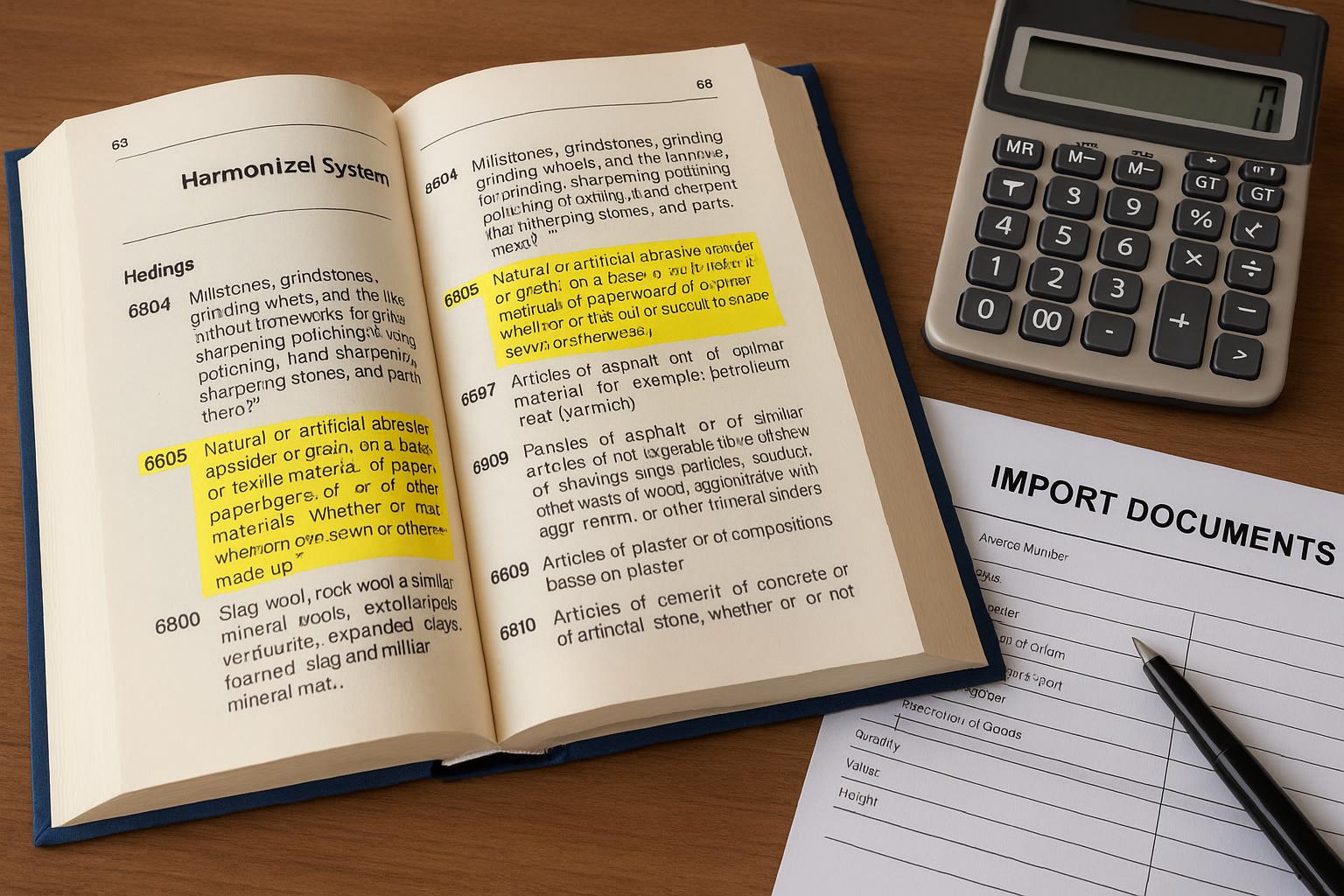
The Harmonized System is an internationally standardized system of names and numbers for classifying traded products. Developed and maintained by the World Customs Organization (WCO), it is used by over 200 countries and economies as a basis for their customs tariffs and the collection of international trade statistics.
The Structure of the HS Code
The core of the HS Code is a six-digit numerical classification, which acts as a universal language for goods. This six-digit code is broken down into three parts:
| Digits | Component | Description |
|---|---|---|
| First two (Chapter) | Chapter | Identifies the broad category of goods (e.g., Chapter 85 for Electrical Machinery). |
| Next two (Heading) | Heading | Identifies the specific sub-category within the chapter (e.g., Heading 85.17 for Telephones). |
| Last two (Subheading) | Subheading | Identifies the most specific classification at the international level (e.g., Subheading 8517.12 for Smartphones). |
Beyond Six Digits: HTS Codes and Local Variations
While the first six digits are globally consistent, most countries extend the code for their own customs and statistical purposes. For example, the United States uses the Harmonized Tariff Schedule (HTS) Code, which adds four more digits to the six-digit HS Code, creating a 10-digit classification. It is crucial for importers and exporters to use the full, country-specific code to ensure compliance.
Why Accurate Product Classification Matters
The importance of accurate product classification cannot be overstated. Misclassification can lead to severe consequences:
- Incorrect Tariff Rates and Duties: The primary function of the HS Code is to determine the correct customs duties and tariff rates. An incorrect code can lead to overpayment (loss of capital) or underpayment (fines and penalties).
- Customs Delays and Seizures: Customs authorities rely on the code to quickly process shipments. A discrepancy can trigger inspections, leading to significant delays and storage costs. In severe cases, goods may be seized.
- Regulatory Compliance: Many products are subject to specific import/export regulations, quotas, or trade agreements (like Free Trade Agreements). The HS Code is the mechanism used to enforce these rules.
- Trade Statistics: Accurate classification is essential for governments to collect reliable international trade statistics, which inform economic policy and trade negotiations.
The Dunrite Global Advantage
At Dunrite Global, we understand that navigating the complexities of HS Codes and HTS Codes is a major challenge for businesses engaged in global commerce. Our expertise in supply chain management and trade compliance ensures that your products are classified correctly the first time, minimizing risk and maximizing efficiency.
Conclusion
The HS Code is more than just a number; it is the foundation of global trade. By ensuring accurate product classification, businesses can avoid costly mistakes, streamline their logistics, and maintain a compliant, efficient international trade operation. Partner with Dunrite Global to unlock the full potential of your global supply chain.