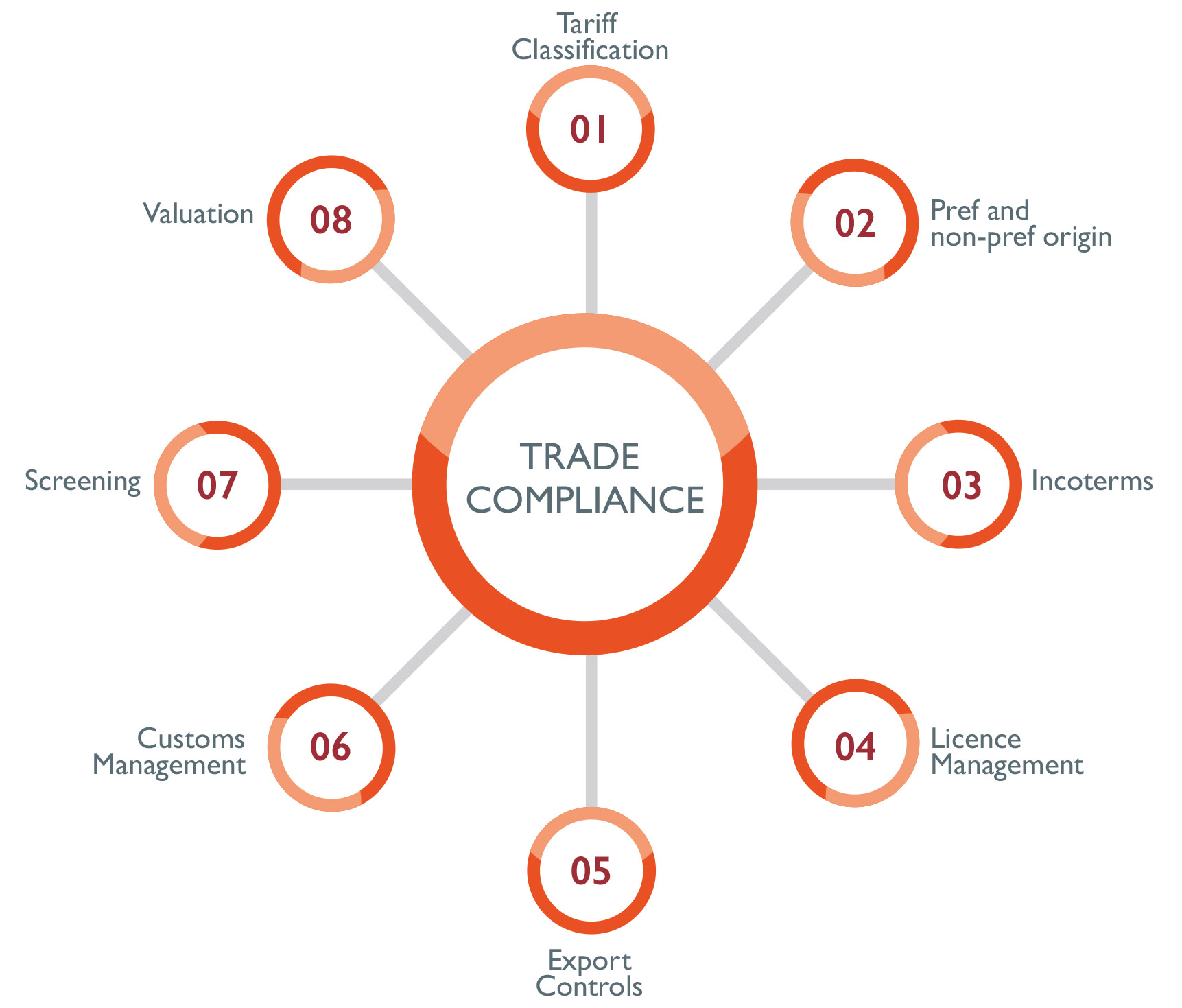
As global trade becomes increasingly complex, staying ahead of regulatory changes is crucial for importers. In 2025, we are seeing a continued rise in geopolitical tensions leading to expanded sanctions and stricter enforcement from agencies like U.S. Customs and Border Protection (CBP). According to a report from the World Economic Forum, embedding international trade management across all business functions is no longer optional—it is essential for mitigating risk. This means your legal, procurement, and even IT departments need to be aligned on compliance.
The Shifting Geopolitical Landscape
The geopolitical climate has a direct and significant impact on trade compliance. Ongoing trade disputes, such as those between the U.S. and China, have resulted in a complex web of tariffs and counter-tariffs that importers must navigate. Additionally, sanctions imposed on countries like Russia have created new layers of complexity, requiring businesses to conduct thorough due diligence to ensure they are not inadvertently violating any restrictions. As reported by Reuters, these geopolitical shifts are forcing companies to re-evaluate their supply chains and consider strategies like nearshoring or friend-shoring to mitigate risk.
The Digital Transformation of Trade Compliance
A key trend is the increased focus on data and technology. CBP's '21st Century Customs Framework' initiative aims to modernize trade processes, which means businesses will need to adopt digital solutions for better visibility and record-keeping. As noted by Foley & Lardner, regular reviews of your HTS classifications and valuations are a fundamental best practice to avoid costly penalties. Implementing a robust compliance management system can automate checks and provide a clear audit trail, which is invaluable during a customs inquiry. Technologies like Artificial Intelligence (AI) and Machine Learning (ML) are also playing an increasingly important role. According to Gartner, AI-powered tools can help automate the classification of goods, identify potential compliance risks, and even predict future regulatory changes. Blockchain technology is another area of innovation, offering the potential for a secure and transparent record of all transactions in the supply chain.
Forced Labor and ESG Compliance
Another area of heightened scrutiny is the prevention of forced labor in supply chains. The Uyghur Forced Labor Prevention Act (UFLPA) has set a new standard for due diligence, requiring importers to provide clear and convincing evidence that their goods were not produced with forced labor. This has significant implications for sourcing from China and other high-risk regions. As Visual Compliance points out, businesses must now proactively map their supply chains and conduct rigorous supplier vetting to ensure compliance. This includes collecting and maintaining detailed records of all suppliers and their labor practices. Beyond forced labor, there is a growing emphasis on Environmental, Social, and Governance (ESG) criteria in trade compliance. Consumers and investors are increasingly demanding that companies demonstrate a commitment to sustainability and ethical sourcing. This means that importers must not only comply with legal requirements but also align their practices with broader ESG goals.
Data Management and Analytics
In the digital age, data is king. Accurate and complete data is the foundation of a strong trade compliance program. Importers must ensure that all data related to their shipments—including HTS codes, country of origin, and valuation—is accurate and consistent across all documents. Data analytics can be a powerful tool for identifying compliance risks and opportunities for improvement. By analyzing historical import data, businesses can identify patterns of errors, assess the performance of their customs brokers, and optimize their duty payments. For example, data analytics can help identify opportunities for tariff engineering, a legal strategy for modifying a product's design or composition to qualify for a lower tariff rate.
Practical Strategies for Importers
So, what can importers do to navigate this challenging landscape? First, conduct a comprehensive risk assessment of your supply chain to identify potential compliance gaps. This should include a review of your sourcing locations, suppliers, and products. Second, invest in training for your team to ensure they are up-to-date on the latest regulations. This should include training on HTS classification, valuation, and country of origin rules. Third, leverage technology to automate compliance processes and improve data accuracy. This could include implementing a global trade management (GTM) system or using AI-powered tools for classification and risk assessment. Finally, consider partnering with a customs broker or trade consultant who can provide expert guidance and support. A knowledgeable partner can help you navigate the complexities of trade compliance and develop a proactive strategy for mitigating risk.
"In the current environment, a reactive approach to trade compliance is a recipe for disaster. Proactive, technology-driven strategies are essential for success."
By taking these steps, you can build a resilient and compliant supply chain that is well-equipped to handle the challenges of 2025 and beyond. Staying informed and adaptable is the key to thriving in the ever-evolving world of global trade.