Introduction
In the complex landscape of global procurement, securing reliable and compliant suppliers is paramount to a company's success and reputation. For organizations like Dunrite Global, which operate at the intersection of international trade and supply chain excellence, the process of international supplier vetting is not merely a formality—it is a critical exercise in supply chain risk management.
A single weak link in your global supply chain can lead to costly delays, regulatory fines, and irreparable damage to your brand. Therefore, recognizing the warning signs, or "red flags," during the due diligence phase is essential. This post outlines the most critical red flags to watch for when evaluating potential partners in the international arena.
1. The Compliance and Regulatory Quagmire
The most significant risks in international trade often stem from non-compliance. A supplier's failure to adhere to local and international laws can quickly become your liability.
| Red Flag | Description | Risk to Your Business |
|---|---|---|
| Jurisdictional Risk | The supplier operates in a region with a known history of widespread corruption, weak labor laws, or political instability. | Exposure to the Foreign Corrupt Practices Act (FCPA), UK Bribery Act, and other anti-corruption legislation. |
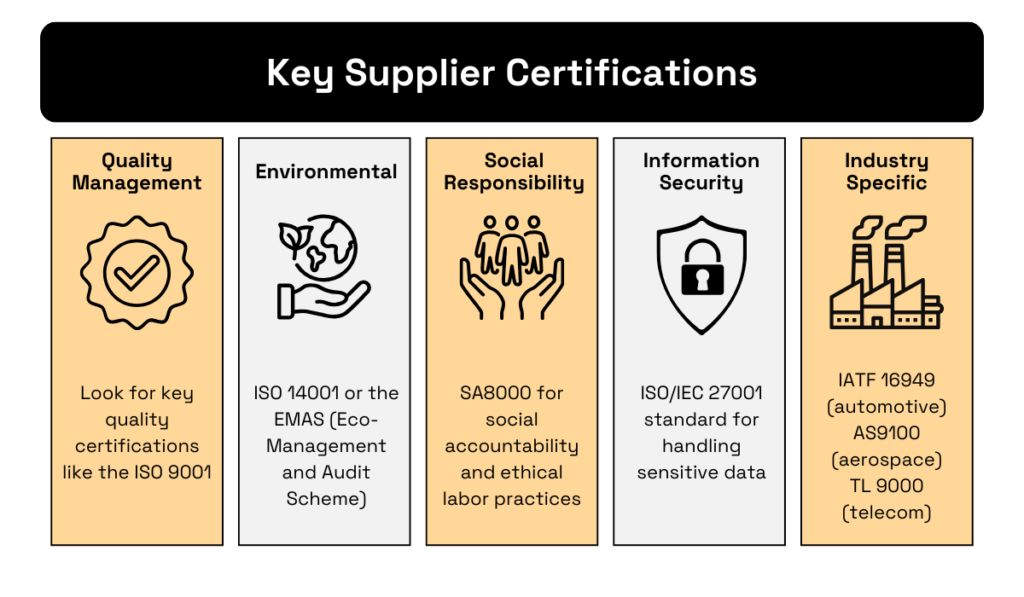
| Lack of Certifications | Absence of necessary international quality certifications (e.g., ISO standards) or failure to provide verifiable proof of compliance with industry-specific regulations. | Product quality issues, market access restrictions, and regulatory penalties. |
| Weak Record-Keeping | Inability to produce clear, auditable records related to sourcing, labor practices, or financial transactions. | Difficulty in conducting effective third-party due diligence and potential for hidden liabilities. |
2. Financial and Operational Opacity
A healthy supplier relationship is built on transparency. Any attempt by a potential partner to obfuscate their financial health or operational structure should be treated as a major warning sign.
- Vague Financials: The supplier is unwilling or unable to provide clear, independently audited financial statements. This could signal instability, over-reliance on a single customer, or undisclosed debt.
- Obfuscation of Sub-Suppliers: They are deliberately vague about their own upstream suppliers or manufacturing locations. This lack of transparency makes it impossible to conduct a full vendor risk assessment and opens your supply chain to hidden ethical or quality risks.
- Inconsistent Communication: During the vetting process, communication is slow, vague, or inconsistent. This is a strong indicator of how they will handle critical issues like production delays or quality control problems down the line.
3. Quality and Ethical Red Flags
While price is a factor, compromising on quality and ethics is a false economy. These red flags speak directly to the supplier's long-term reliability and commitment to responsible business practices.
- Inconsistent Quality History: Evidence of past product recalls, frequent customer complaints, or a high rate of returned goods. Always request and verify quality control reports and process documentation.
- Insufficient Commitment to Quality Culture: During an on-site audit, you observe a lack of commitment to quality or safety among management and staff. This "weak culture" is a predictor of future failures.
- Unrealistic Pricing: The quoted price is significantly lower than that of comparable suppliers. While attractive, this often signals a compromise on material quality, labor standards, or an unsustainable business model that will eventually lead to failure.
Conclusion
Effective international supplier vetting requires a proactive, multi-layered approach that goes beyond a simple price check. By meticulously investigating these critical red flags—from compliance and financial transparency to quality and ethical commitment—Dunrite Global and its partners can build a resilient, reliable, and compliant global procurement network. Prioritizing thorough third-party due diligence is the best defense against the inherent risks of international trade.