The Global Imperative: Managing Quality Control Across Borders
In the complex landscape of international trade, the journey of a product from its origin to the final consumer is fraught with potential pitfalls. For US importers, the challenge of maintaining consistent product quality across diverse international supply chains is not just a logistical hurdle—it's a fundamental business imperative. Dunrite Global understands that risk-free global trade hinges on a robust, proactive quality control (QC) strategy. This post explores the essential strategies for effectively managing quality control across borders.
The Unique Challenges of Cross-Border QC
Managing quality in a domestic supply chain is relatively straightforward compared to the international arena. The cross-border environment introduces several layers of complexity:
- Cultural and Communication Barriers: Different countries have varying business practices and communication styles, which can lead to misunderstandings regarding quality specifications.
- Regulatory Divergence: Products must comply not only with the standards of the manufacturing country but also with the stringent import regulations of the destination country (e.g., US Customs and Border Protection, FDA, CPSC).
- Logistical Complexity: The sheer distance and multiple transit points increase the risk of damage, spoilage, or mishandling.
- Lack of Direct Oversight: Relying on third-party audits or infrequent visits makes continuous, real-time monitoring difficult.
Strategy 1: Standardize and Localize Specifications
The foundation of effective cross-border QC is a universally understood and agreed-upon set of standards.
- The Golden Sample: Always establish a "golden sample" that represents the absolute minimum acceptable quality. This physical benchmark should be signed off by both the importer and the supplier.
- Detailed Quality Manuals: Translate and localize your quality control manual. Ensure that all technical terms, measurements, and testing procedures are clearly defined in the local language and understood by the factory floor staff.
- AQL (Acceptable Quality Limit): Clearly define the AQL for all inspections. This statistical sampling method provides an objective, measurable threshold for accepting or rejecting a shipment.
Strategy 2: Implement a Multi-Stage Inspection Protocol
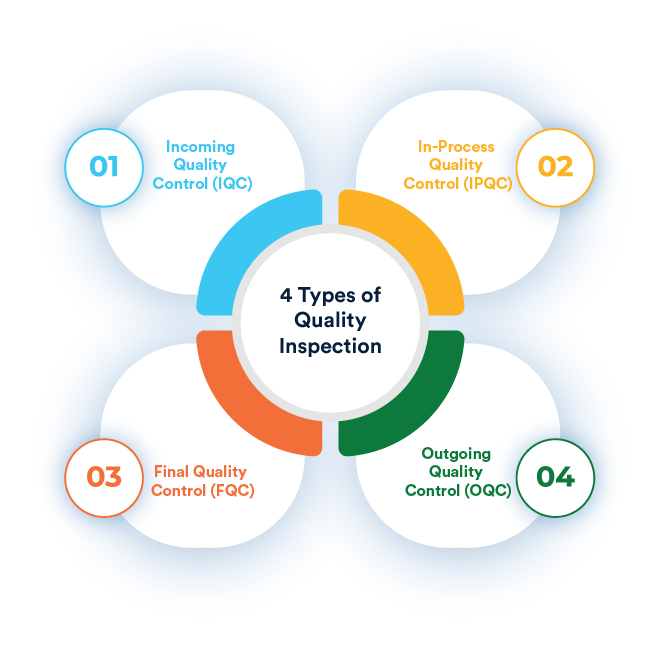
A single, final inspection is a recipe for disaster. Quality control must be integrated at every critical stage of production.
- Pre-Production Inspection (PPI): Verify raw materials, components, and machinery before mass production begins. This prevents costly errors down the line.
- During Production Inspection (DUPRO): Conducted when 20-50% of the goods are complete. This is the most critical stage for identifying and correcting defects while production is still underway.
- Pre-Shipment Inspection (PSI): The final check when 100% of the order is packed. This confirms that the final product meets all specifications and is correctly packaged for shipment.
Strategy 3: Leverage Technology for Transparency
Modern technology offers powerful tools to bridge the geographical gap and enhance transparency.
- Digital Reporting: Insist on real-time, photo-verified inspection reports. Cloud-based platforms allow importers to view inspection results immediately, regardless of time zone.
- Video Audits: Use live video feeds or recorded audits to virtually "walk the factory floor" and observe production processes without the cost of travel.
- Traceability Systems: Implement systems (like QR codes or RFID) to track components and finished goods, ensuring that if a quality issue arises, the source can be quickly identified.
Strategy 4: Build a Partnership, Not Just a Transaction
The most successful cross-border QC is built on a foundation of trust and mutual commitment.
- Supplier Vetting: Go beyond price. Vet suppliers based on their quality management systems, track record, and ethical compliance. Dunrite Global specializes in this rigorous vetting process.
- Continuous Improvement: Treat quality issues as opportunities for joint process improvement. Offer training and support to help suppliers meet your standards, fostering a long-term, collaborative relationship.
- Incentivize Quality: Implement a system that rewards suppliers for consistently meeting or exceeding quality benchmarks, making quality a shared financial goal.
Conclusion
Managing quality control across borders is a continuous, multi-faceted process that demands diligence, clear communication, and strategic partnership. By standardizing specifications, implementing multi-stage inspections, leveraging technology, and cultivating strong supplier relationships, US importers can transform the inherent risks of global trade into a competitive advantage. For businesses seeking to navigate these complexities and ensure risk-free global trade, a dedicated partner like Dunrite Global is an invaluable asset.