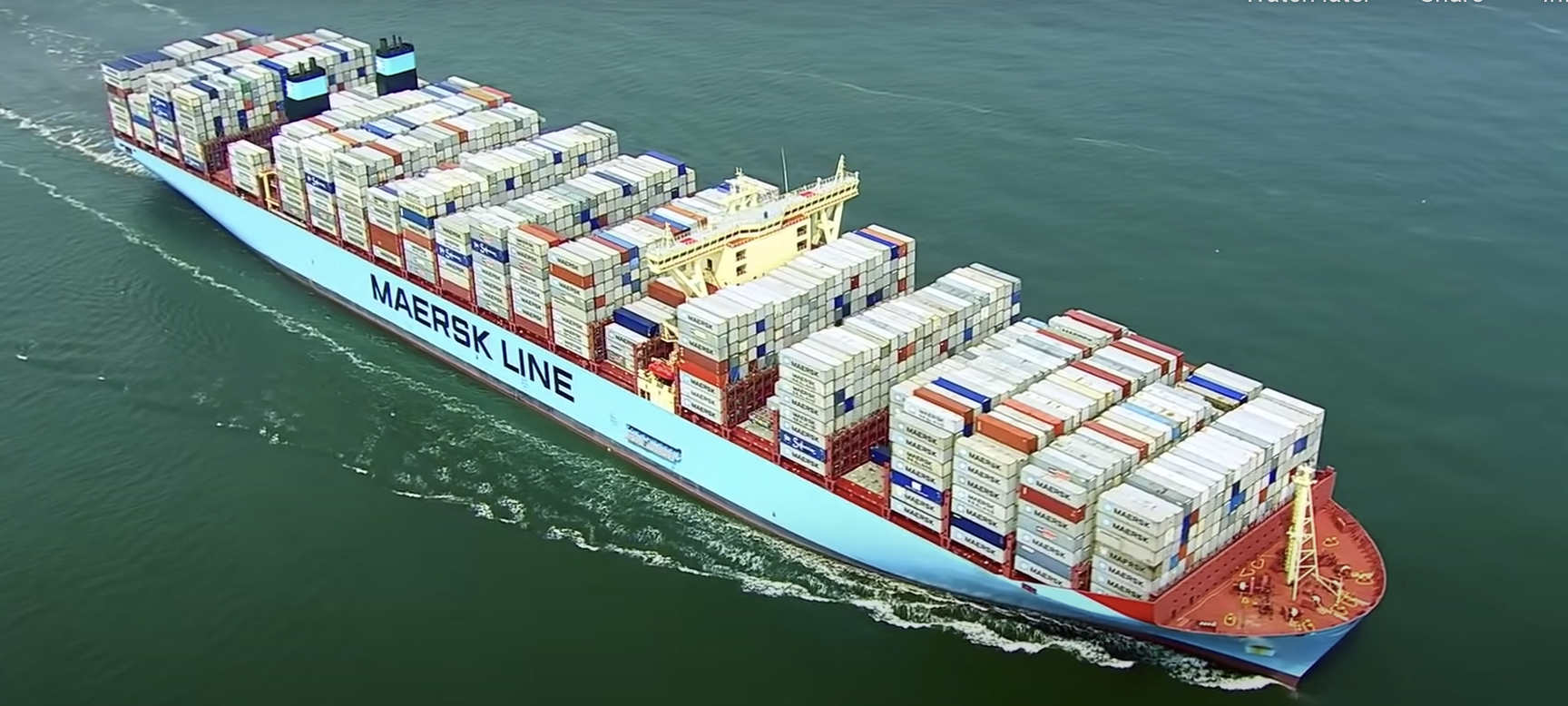
Navigating the Global Supply Chain: A Critical Decision for International Trade
In the complex world of international trade and global logistics, one of the most critical decisions a business faces is choosing the right mode of transport for its goods. The choice between ocean freight and air freight is not merely a matter of preference; it's a strategic decision that impacts your bottom line, delivery timelines, and overall supply chain solutions. Dunrite Global is here to help you navigate this choice.
This guide breaks down the key factors to consider, helping you determine which freight forwarding solution is the best fit for your specific business needs.
The Case for Ocean Freight: Bulk, Budget, and Reliability
Ocean freight remains the backbone of global trade, accounting for approximately 90% of the world's traded goods by volume [1]. It is the default choice for businesses prioritizing cost-effectiveness and capacity.
| Factor | Ocean Freight |
|---|---|
| Cost | Significantly lower cost, especially for large volumes. |
| Capacity | Ideal for bulk cargo and large, heavy, or oversized items (Full Container Load - FCL). |
| Environmental Impact | Generally lower carbon footprint per ton-mile compared to air freight. |
| Transit Time | Slow (typically weeks). Subject to delays from weather, port congestion, and customs processing. |
| Best For | Low-value, non-perishable goods, raw materials, and large-scale inventory replenishment. |
Key Takeaway: If your goods are not time-sensitive, and you are shipping large quantities, ocean freight offers unparalleled cost savings, making it a cornerstone of efficient logistics management.
The Case for Air Freight: Speed, Security, and High Value
When speed is paramount, air freight is the undisputed champion. While it represents a smaller fraction of global trade by volume, it accounts for a significant portion by value, often used for high-value or time-critical shipments [2].
| Factor | Air Freight |
|---|---|
| Cost | Substantially higher cost. Can be 5 to 10 times more expensive than ocean freight [3]. |
| Capacity | Limited by aircraft size and weight restrictions. Better for smaller, low-volume shipments. |
| Speed | Extremely fast (typically 1-5 days). Ideal for urgent or just-in-time (JIT) inventory. |
| Security | Higher security and less handling, leading to lower risk of damage or theft. |
| Best For | Perishable goods, high-value electronics, pharmaceuticals, fashion items, and emergency parts. |
Key Takeaway: Air freight is a premium service that buys you time and reliability. It is a strategic choice for products with a short shelf life or when a delay could result in significant financial loss.
Making the Right Choice: A Strategic Framework
The decision ultimately rests on a careful analysis of your product, market, and supply chain strategy. Ask yourself the following questions:
- What is the urgency? If your product is needed in days, air freight is the only option. If weeks are acceptable, ocean freight is more economical.
- What is the value and size of the shipment? High-value, small-volume items often justify the cost of air freight. Low-value, high-volume bulk cargo is best suited for ocean transport.
- What is the total cost of ownership? While ocean freight is cheaper per unit, the longer transit time means higher inventory holding costs and a longer cash-to-cash cycle. Air freight, despite its higher direct cost, can reduce warehousing expenses and improve market responsiveness.
- Are there regulatory or safety concerns? Certain hazardous materials are restricted from air transport, making ocean shipping the only viable option.
Dunrite Global: Your Partner in Global Logistics
Choosing between ocean and air is a nuanced decision that requires expertise in freight management and global shipping. As a dedicated shipping company and freight broker, Dunrite Global provides tailored supply chain solutions to optimize your transport strategy.
Contact us today to discuss your international trade needs and let us help you find the perfect balance of speed, cost, and reliability for your business.
References
[1] Zarach Logistics. Air Freight vs Ocean Freight Costs: Key Differences. [URL will be added after browsing]
[2] CargoFlip. Air Freight vs. Ocean Freight: Which is Right for Your Business. [URL will be added after browsing]
[3] Freightos. Air Freight vs Sea Freight. [URL will be added after browsing]