The Complete Guide to Import Duties and Taxes: Navigating Global Trade Compliance
Introduction
The world of international trade offers immense opportunities, but it is also fraught with complexities. For businesses engaged in global commerce, few areas are as critical—or as confusing—as import duties and taxes. These are not merely administrative fees; they are a fundamental component of the landed cost of goods, directly impacting profitability and supply chain efficiency. A failure to understand and correctly manage these obligations can lead to costly delays, unexpected penalties, and significant compliance risks [1].
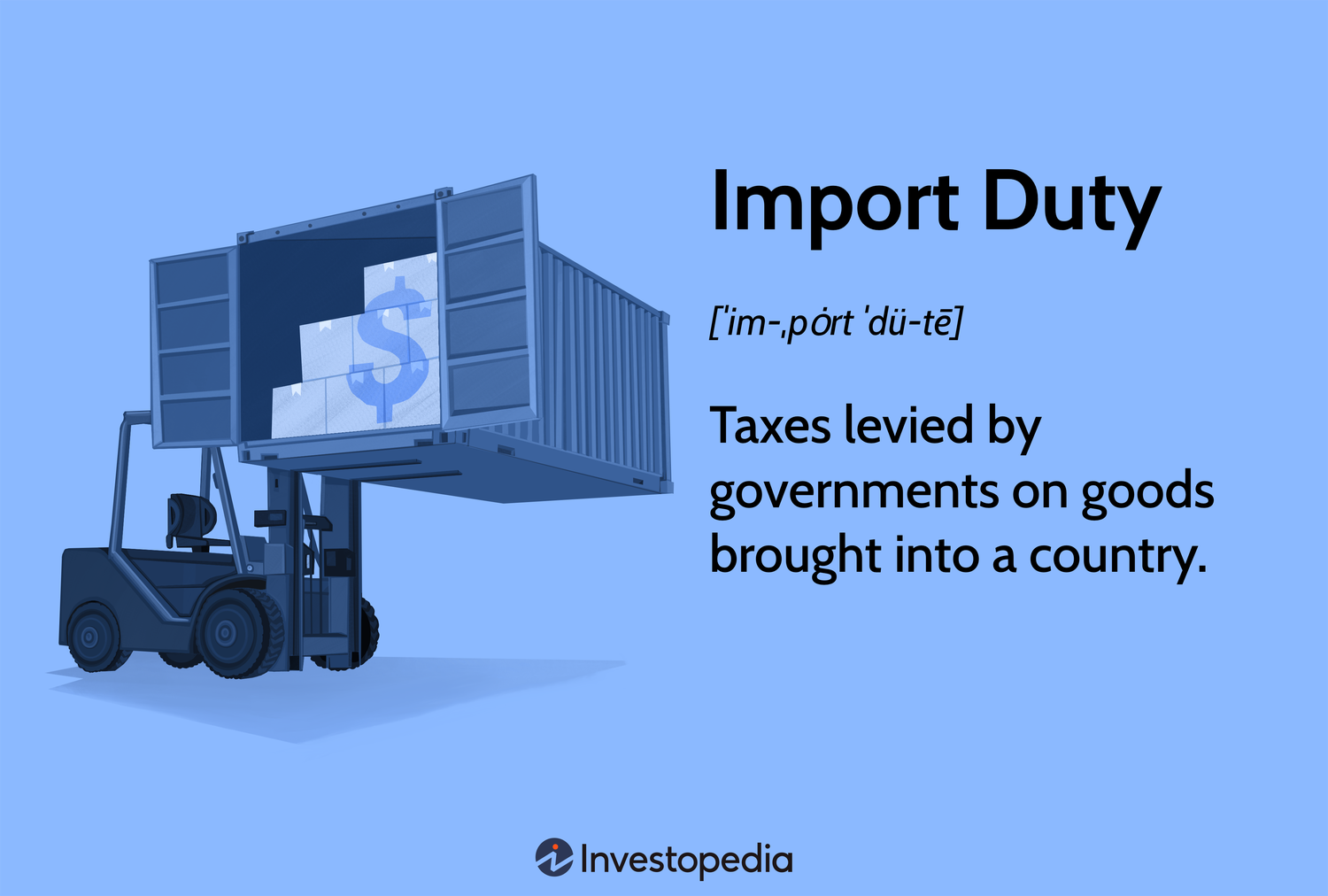
So, what exactly are import duties and taxes? Simply put, they are financial levies imposed by a country's government on goods brought in from another country. This comprehensive guide will demystify these concepts, explain how they are calculated, and provide actionable strategies for seamless trade compliance in your international operations.
The Core Concepts: Duties, Taxes, and Tariffs
While often used interchangeably in common parlance, duties, taxes, and tariffs have distinct meanings in the context of international trade. Understanding these differences is the first step toward effective cost management.
Customs Duties
Customs duties are a form of tax specifically levied on goods as they cross international borders. Their primary purposes are twofold: to generate revenue for the importing country and to protect domestic industries from foreign competition by making imported goods more expensive [2].
Duties are typically calculated based on the value of the imported goods, known as ad valorem duties, but can also be a fixed amount per unit (specific duties), or a combination of both (compound duties).
Tariffs
The term tariff is often synonymous with a customs duty, but it can also refer to the comprehensive schedule or list of duties that a country applies to various imported products. Historically, tariffs have been used as a tool of economic policy, leading to classifications such as:
- Protective Tariffs: Designed to shield domestic industries.
- Revenue Tariffs: Intended primarily to raise money for the government.
- Special Tariffs: These include Anti-dumping duties (imposed when foreign goods are sold below fair market value) and Countervailing duties (imposed to offset foreign government subsidies) [3].
Import Taxes
Unlike customs duties, which are specific to the act of importation, import taxes are broader consumption taxes that are applied to imported goods, often at the same rate as domestically produced goods. The most common examples are:
- Value Added Tax (VAT): Prevalent in Europe and many other regions, this is a consumption tax assessed on the value added to goods and services at each stage of the supply chain.
- Goods and Services Tax (GST): Common in countries like Canada, Australia, and India, this is a broad-based consumption tax on most goods and services.
The key distinction is that duties are customs-specific fees, whereas taxes like VAT and GST are general consumption taxes collected at the point of importation.
How Import Duties and Taxes are Calculated
Calculating the exact amount of duties and taxes is a complex process that relies on three primary factors: the product's classification, its valuation, and its country of origin.
The Harmonized Tariff Schedule (HTS)
The Harmonized Tariff Schedule (HTS) is the bedrock of duty calculation. It is an internationally standardized system of names and numbers for classifying traded products. Every product that crosses a border is assigned a specific HTS code (typically 6 to 10 digits). This code is crucial because it directly corresponds to the duty rate applied by the importing country [4]. Incorrect HTS classification is a major source of compliance issues and can result in significant penalties.
Valuation
The duty rate is applied to the dutiable value of the goods. The most common method for determining this value is the transaction value, which is the price actually paid or payable for the goods. However, the terms of sale, often defined by Incoterms, can significantly affect the dutiable value. For example, under Cost, Insurance, and Freight (CIF) terms, the cost of freight and insurance is often included in the dutiable value, whereas under Free On Board (FOB) terms, it may not be.
Country of Origin
The country of origin determines whether the imported goods qualify for preferential duty treatment. Many countries have Free Trade Agreements (FTAs) that allow goods originating from partner countries to enter with reduced or zero duty rates. Proving the country of origin requires specific documentation, such as a Certificate of Origin, and adherence to the FTA's rules of origin.
Strategies for Effective Trade Compliance and Cost Management
For Dunrite Global's clients, managing import costs and ensuring compliance is paramount. Here are four key strategies for navigating this landscape:
1. Accurate Classification
The single most important step is ensuring the correct HTS code is used. This requires a deep understanding of the product and the classification rules. Investing in professional classification services or internal training can prevent misclassification, which is a common trigger for customs audits and penalties.
2. Utilizing Free Trade Agreements
Businesses should proactively review their supply chain to identify opportunities to leverage FTAs. Qualifying for preferential duty rates can result in substantial cost savings, directly improving the bottom line. This involves meticulous record-keeping to prove the goods meet the rules of origin.
3. Calculating Landed Cost
A true understanding of profitability requires calculating the landed cost—the total cost of a product once it has arrived at the buyer's door. This must include the product cost, shipping, insurance, and, critically, all applicable import duties and taxes. Failing to factor in these costs leads to inaccurate pricing and profit margin forecasts.
4. Partnering with Experts
Given the complexity and constantly evolving nature of global trade regulations, partnering with experienced professionals is a sound strategy. Customs brokers and freight forwarders like Dunrite Global specialize in navigating the intricacies of customs clearance, HTS classification, and trade compliance. They can ensure your shipments move smoothly, your costs are optimized, and your business remains compliant.
Conclusion
Import duties and taxes are an unavoidable reality of international trade. However, they do not have to be a barrier to success. By understanding the core concepts, mastering the calculation process, and implementing proactive compliance strategies, businesses can transform these obligations from a source of risk into a manageable, predictable part of their global operations.
Don't let the complexity of global trade slow you down. For expert guidance on HTS classification, duty optimization, and seamless customs clearance, contact Dunrite Global today for a trade compliance consultation.
References
- Import Duty Explained | Guide to Import Tax & Customs ... - DHL
- Import Tariffs & Fees Overview and Resources - Trade.gov
- Understanding Duty Taxes: Imports, Exports, and Practical ... - Investopedia
- A Guide to U.S. Import Taxes: Duties, Tariffs, and Other Fees - USA Customs Clearance