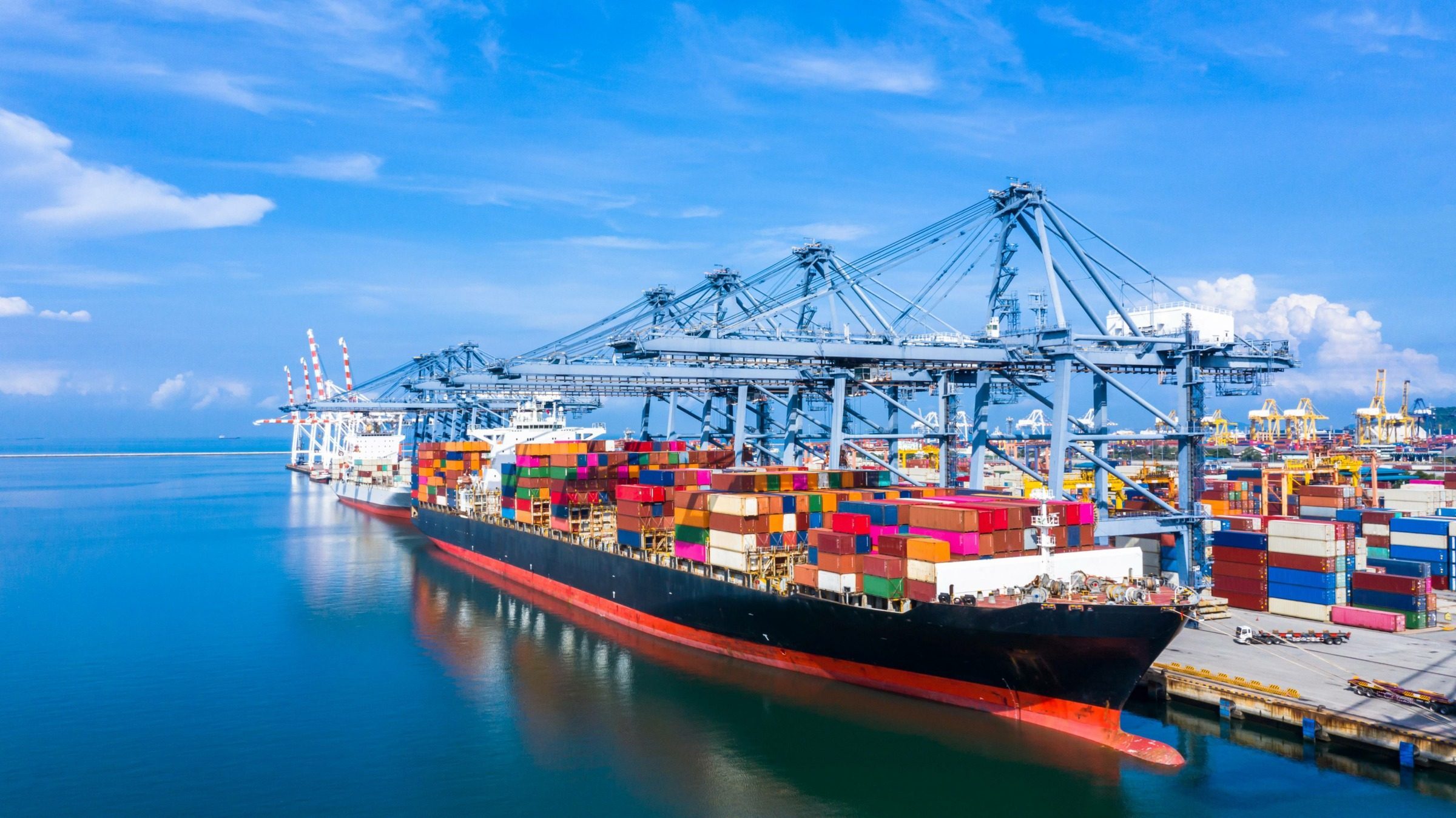
One of the most fundamental decisions in international shipping is choosing between air freight and sea freight. Each mode of transport has its own unique advantages and disadvantages, and the right choice depends on your specific needs, budget, and timeline. This guide will help you understand the key differences between air and sea freight so you can make an informed decision for your business.
Speed and Cost: The Core Trade-Off
The most significant difference between air and sea freight is the trade-off between speed and cost. Air freight is significantly faster than sea freight, with transit times typically ranging from a few days to a week. However, this speed comes at a much higher cost. Sea freight, on the other hand, is much slower, with transit times often taking several weeks or even months. But it is also far more cost-effective, especially for large shipments.
"Choosing between air and sea is a balancing act between your budget and your deadline."
When to Choose Air Freight
Air freight is the ideal choice for:
- High-value, low-volume goods: The higher cost of air freight is more justifiable for expensive items like electronics, jewelry, or pharmaceuticals.
- Time-sensitive shipments: If you have a tight deadline, air freight is the only option that can get your goods to their destination quickly.
- Perishable goods: For items with a short shelf life, such as flowers or fresh produce, the speed of air freight is essential.
When to Choose Sea Freight
Sea freight is the preferred option for:
- Large, heavy, or bulky shipments: Sea freight is the most cost-effective way to ship large volumes of goods.
- Non-perishable goods: If your goods are not time-sensitive and have a long shelf life, sea freight is the most economical choice.
- Environmentally conscious businesses: Sea freight has a much lower carbon footprint per ton-mile compared to air freight.
Ultimately, the decision to use air or sea freight depends on a careful evaluation of your priorities. At Dunrite Global Enterprises, we provide tailored logistics solutions, helping you choose the optimal shipping method to meet your business goals. We analyze your specific needs to recommend the most efficient and cost-effective transport for your cargo.